17th Sep 2026
Antique, Vintage & Estate: What’s the Difference?
Antique, Vintage & Estate Jewelry: What’s the Difference?
If you’ve ever looked at a piece of jewelry and wondered, “Is this antique, vintage, or estate?” you’re not alone. Although these terms are often used interchangeably, they don’t all mean the same thing.
At Yates & Co. Jewelers, we love finding unique antique, vintage and estate jewelry and helping our customers discover pieces with character, craftsmanship, and history. So, what is the difference between antique, vintage and estate jewelry? Let’s take a closer look.
What is Antique Jewelry?
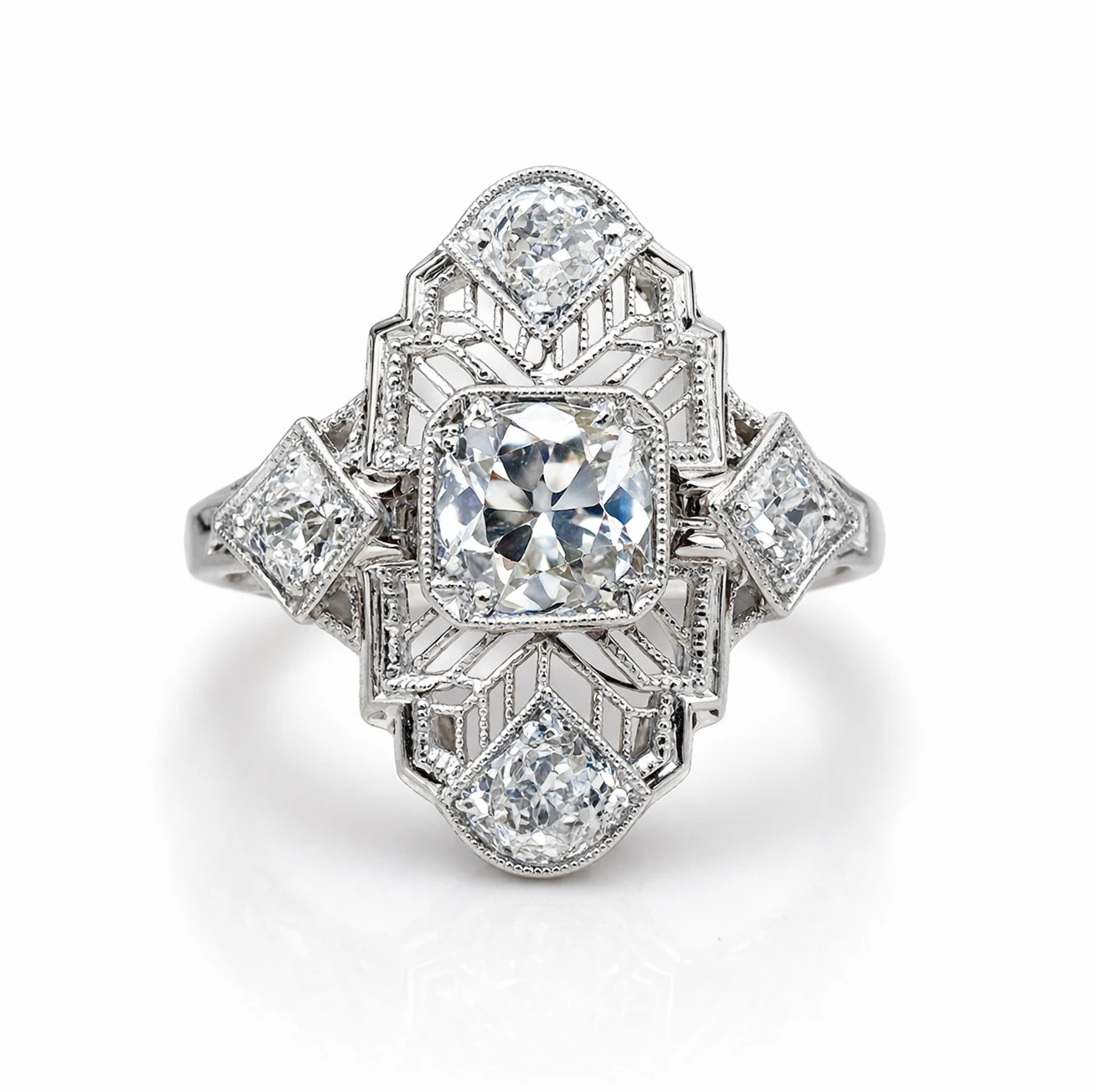
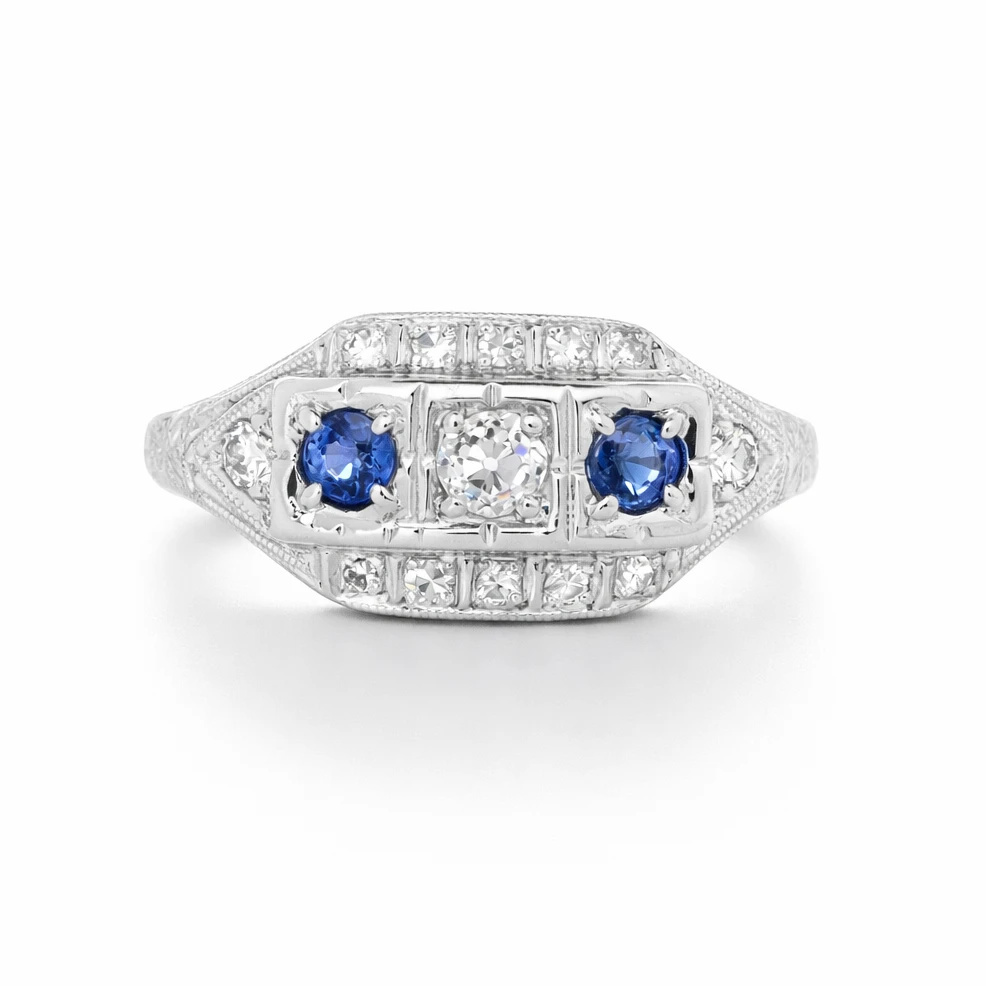
Jewelry is generally considered antique when it is at least 100 years old.
Antique jewelry offers a fascinating glimpse into the past. Its designs, craftsmanship, gemstone cuts, and manufacturing techniques can be very different from those used in modern jewelry.
There’s something special about holding a piece created more than a century ago and imagining who may have worn it before. Antique jewelry often features intricate details and old-world character that can be difficult to reproduce today—and that is part of what makes these pieces so exciting to find.
What is Vintage Jewelry?
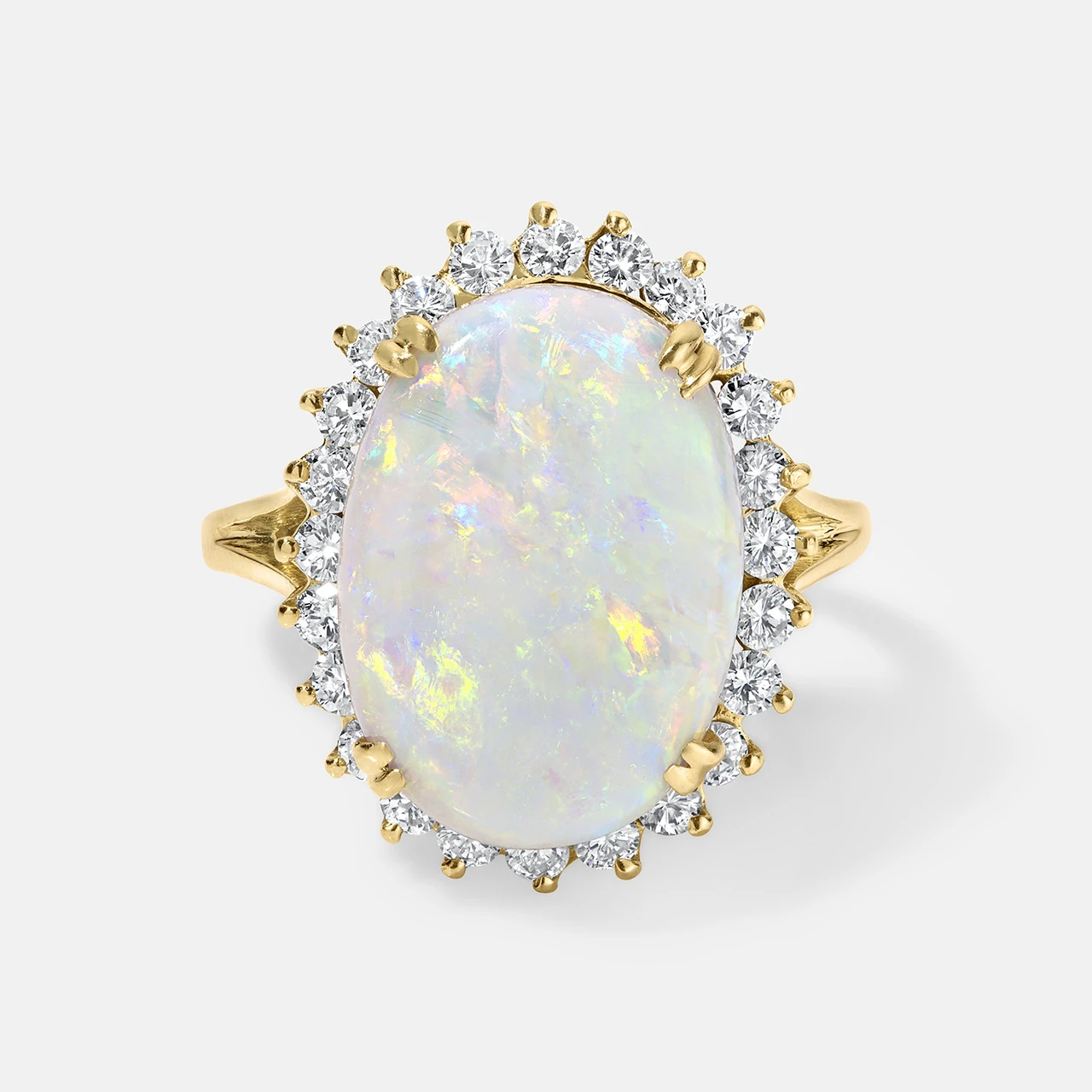
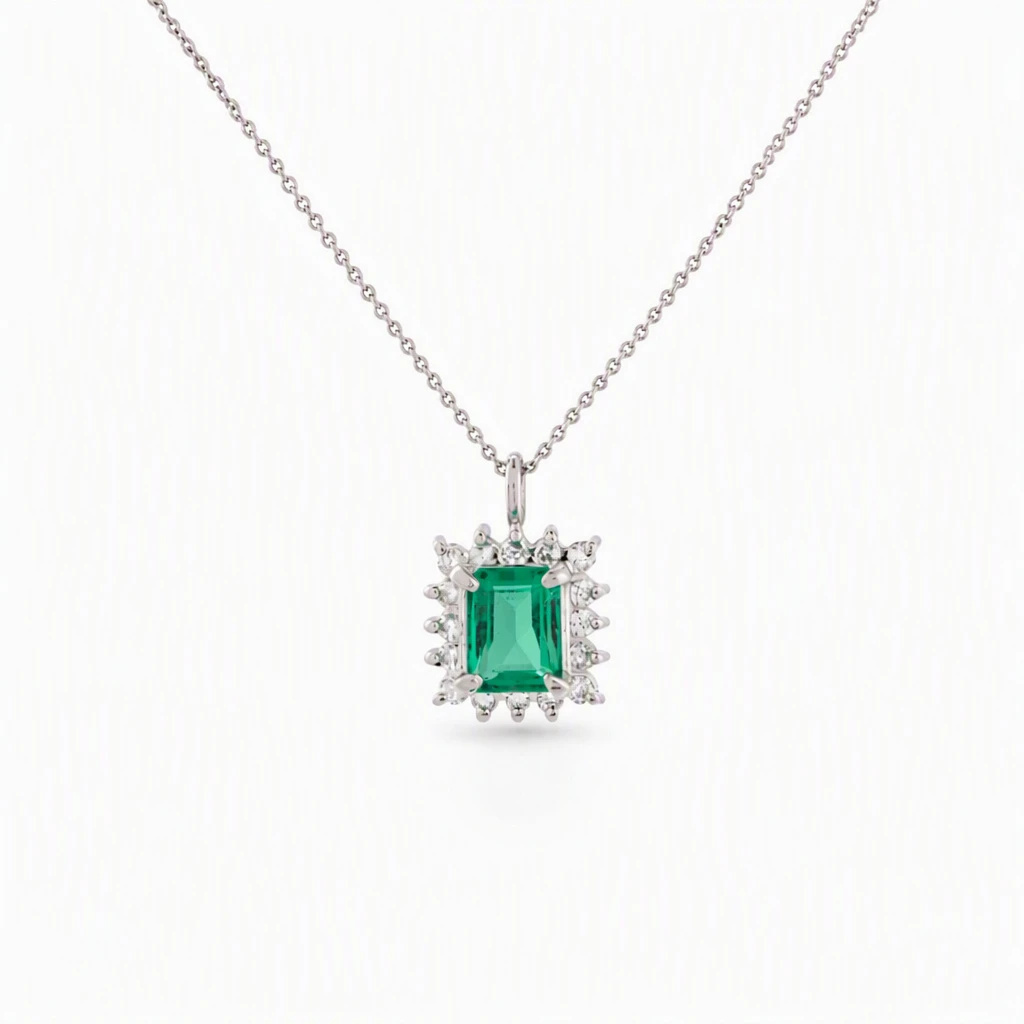
The meaning of vintage jewelry can be a little less precise because there is no single, universally accepted age requirement.
Some people use the term for jewelry that is at least 50 years old. However, within today’s jewelry and collectibles markets, “vintage” is also commonly used to describe pieces that are 20 years old or older. That is the definition we use when describing our jewelry.
Vintage jewelry can include pieces from the 1970s and ’80s, as well as designs from the 1990s and early 2000s.
If you’ve noticed some of those styles returning, you’re not imagining it. Jewelry trends have a way of coming full circle. A design that once appeared outdated can suddenly become one of the most sought-after looks again.
That’s one of our favorite things about vintage jewelry: It can feel distinctive and nostalgic while still fitting beautifully with today’s styles.
What is Estate Jewelry?
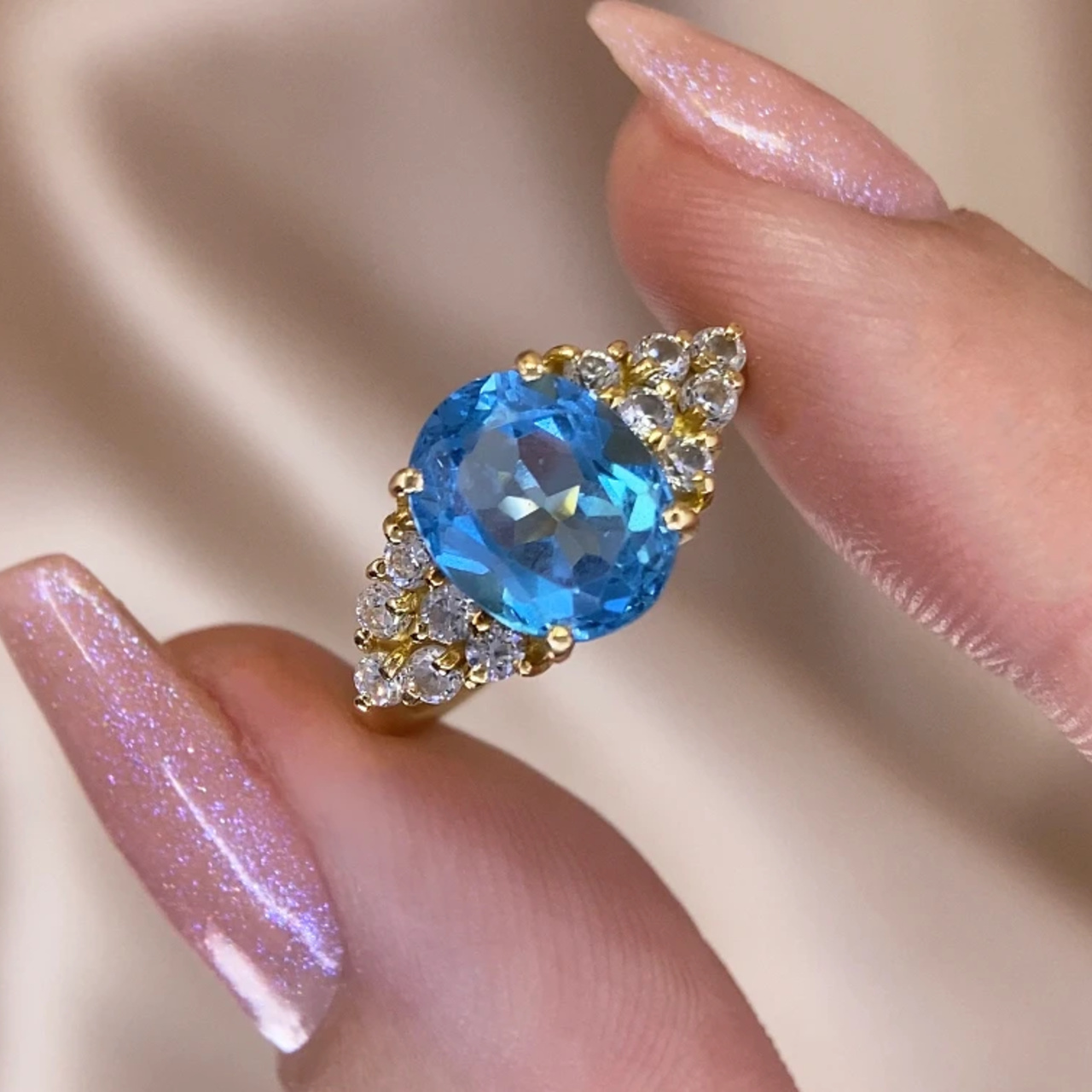
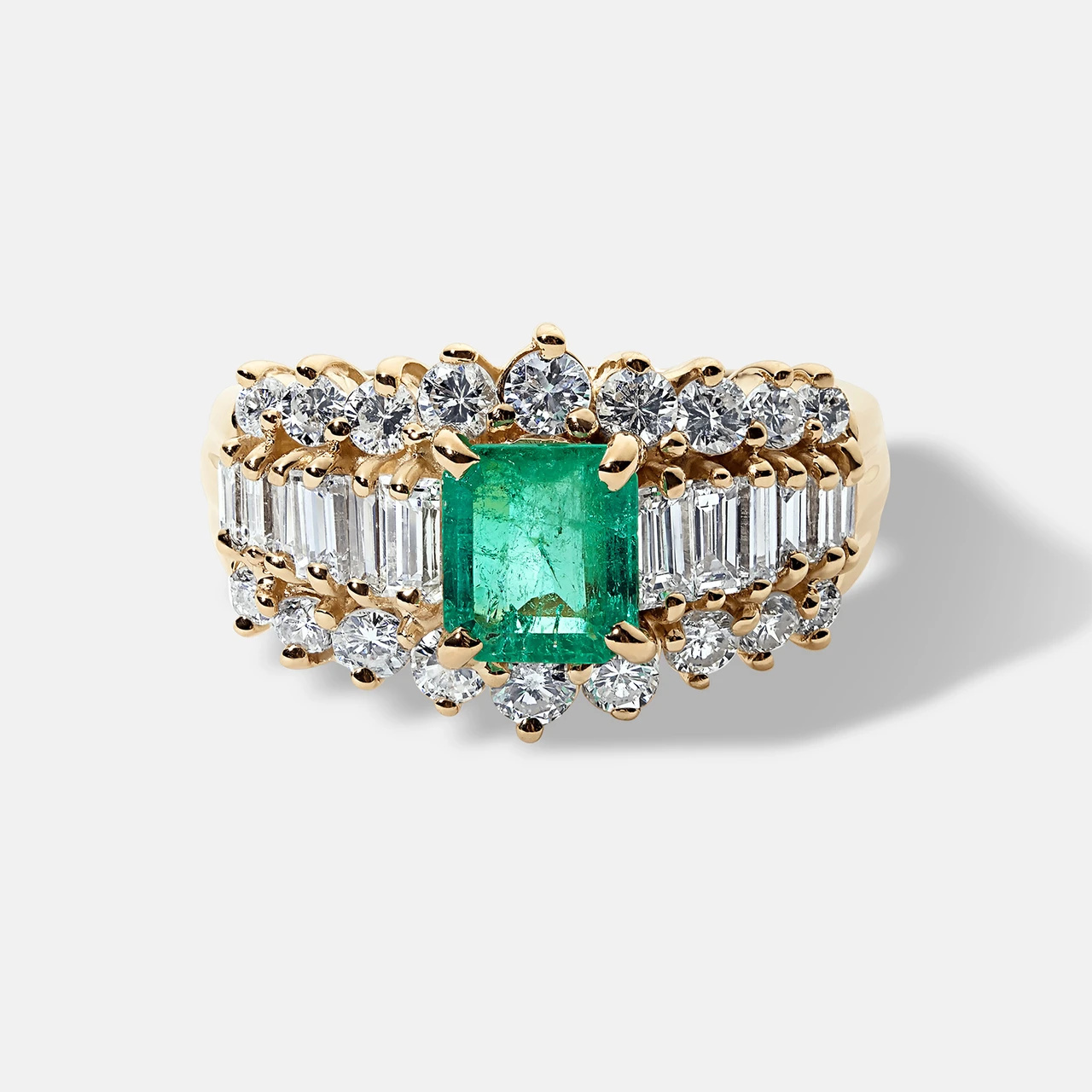
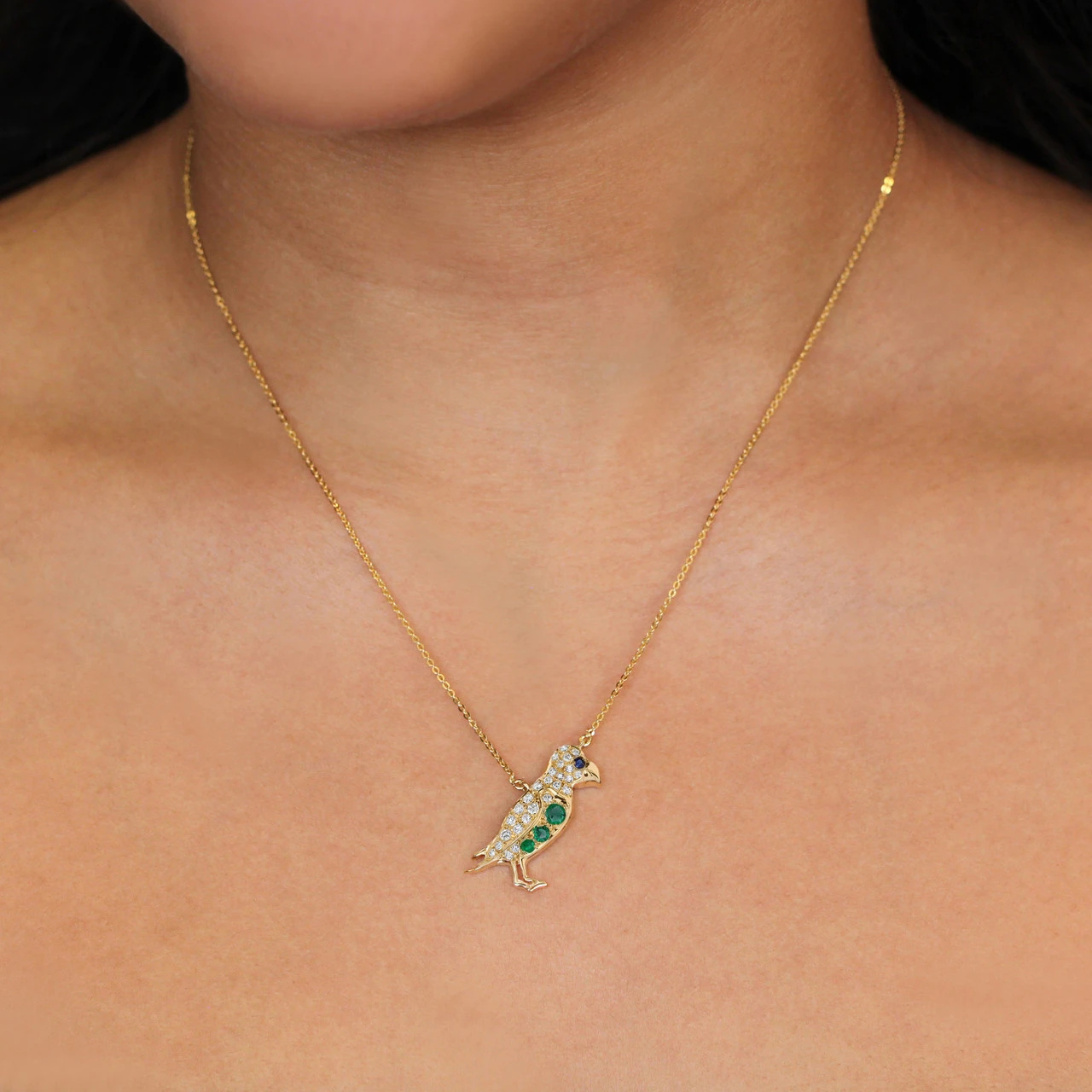
Unlike the terms antique and vintage, estate jewelry does not describe the age of a piece.
Estate jewelry simply means that the piece has been previously owned, regardless of when it was made.
An estate piece might be only a few years old, 50 years old, or more than a century old. Because these terms describe different qualities, a piece of jewelry can be estate and vintage—or estate and antique—at the same time.
For example, a previously owned ring made in 1910 would be considered both antique and estate jewelry. A previously owned necklace from the 1990s could be considered both vintage and estate jewelry.
That variety is part of what makes shopping for estate jewelry so much fun: You never know what unexpected treasure you might discover.
Antique vs. Vintage vs. Estate Jewelry
The easiest way to remember the difference is:
ANTIQUE → 100 years old or older
VINTAGE → 20 years old or older
ESTATE → Previously owned, regardless of age
The terms antique and vintage describe the age of a piece, while estate describes its ownership history.
Sometimes, one piece of jewelry can fit into more than one category.
Why We Love Antique, Vintage and Estate Jewelry
There’s something different about jewelry that has already had a life before it reaches us.
Perhaps it’s the remarkable craftsmanship of an antique piece, the nostalgic appeal of vintage jewelry, or the excitement of discovering an unexpected treasure in an estate collection.
Whatever catches your eye, these pieces often feel more personal. They have character, history, and a story that began long before they found their way into our showcases.
Now, they’re ready to begin their next chapter with you.
Ready to discover a piece with a story of its own? Explore our antique, vintage and estate jewelry collection. Because each piece is one of a kind, once it finds a new home, it may be gone for good.
Because sometimes the most special piece isn’t the newest one—it’s the one with a story waiting to be continued.